Built on Commitment
Audio Version
Listen to the sermon
In our exploration of Nehemiah chapter 10, we confront the challenge of true commitment to God versus mere comfort in our faith. We reflect on how many of us treat church attendance and our relationship with Jesus as optional, often prioritizing our busy schedules and personal interests over our spiritual commitments. As we delve deeper into the text, we see the Israelites recognizing their past failures and making a binding agreement to commit themselves fully to God's commands, emphasizing that true commitment requires action and a willingness to obey.
We discover that this commitment is not merely about following rules but about responding to God's grace with a transformed heart. The Israelites vowed to live differently from the surrounding nations, committing to obey God's laws, prioritizing their worship, and being generous with their resources. We are challenged to examine our own lives: Are we merely comfortable with our faith, or are we genuinely committed to living out our beliefs in our marriages, our Sundays, our finances, and our overall priorities? As we reflect on Jesus' ultimate commitment to us, we are called to respond with a renewed dedication to follow Him wholeheartedly.
Key Takeaways
- True commitment to God requires action and a willingness to obey His commands, not just a passive acceptance of faith.
- Our Sundays should reflect our commitment to God, prioritizing worship over personal interests or activities.
- Living differently than the world involves making choices in our marriages, finances, and daily priorities that align with God's will.
- Generosity in our finances is a reflection of our gratitude for God's grace, and we are called to give our best to support His mission.
- Neglecting our faith is a passive drift away from God; we must actively choose to prioritize our relationship with Him.
Scripture References
Discussion Questions
- What does true commitment to God look like in your life compared to mere comfort?
- How can we ensure that our Sundays are dedicated to God rather than filled with personal activities?
- In what ways can our marriages reflect our commitment to Christ?
- How does our approach to finances demonstrate our priorities and values as Christians?
- What steps can we take to avoid neglecting our faith and actively engage in our relationship with God?
Transcript
· Here's the deal. I think so much of us in the American church, we see Sunday as a thing I can do some of the time, but not as a thing I do all the time. And instead, here's what happens is our schedule gets busy. All of a sudden, we we want to go to the lake cuz it's a really nice day out. All of a sudden, my kid has a tournament, so I got to skip church. All of the sudden, I'm super tired and I worked overnight. I got to take a break. All of a sudden, life will happen.
· But will this gathering mean something to you?
· But today is Super Bowl Sunday and you probably have a date with some food, with some people, with getting your voice ready to scream and yell if you're a little more intense uh with your TV to spend some time later to engage and I was going to say celebrate, but we c I'm not celebrating. I'm I'm mad that my team is so terrible. uh but engage in this crazy national and really global sensation we have on Super Bowl Sunday.
· And today as we go and here's what's always so fun about Super Bowl Sunday as people there are those who take it super seriously, some that don't take it much seriously at all, but everyone kind of moves a little bit in the direction of being more of a football fan. Maybe you are one of those that you don't watch any football. You don't know the rules.
· You don't even know how the game works.
· You're just cheering when someone's touching the ball and you don't even know if the right team's touching the ball or not.
· And you're probably like, but at this time of year, you see those people and you always know them at the party because they're saying things you're like, "That's not right, and that's not how this game works." Um, and I can't help myself, but correct them. Uh, but they're comfortable with the idea of football, but they're really not committed to any team or sport at this time. My wife, it drives her a little crazy. If you look at my calendar, uh, I have all my team sporting events and their games in my calendar. All right.
· So, like I'll be people are like, "Oh, can you do my wedding? It's in like, you know, uh September, October." I'm like, "There's a Cardinals game at that time."
· Uh, let me get back to you about it. I don't But I literally do like I'm a committed fan. And but some of there's committed fans and there's those who are a little more comfortable. Today, I'm comfortable being a Patriots fan because I'm such a committed hatred of the Seahawks that is driving the rest of that.
· But today, as we jump into Nehemiah chapter 10, and that's where we're going to continue our series through today, we're going to see how the nation of Israel, how God's people had to move to being more committed to what God had for them. They had gone inside their lives and inside their kind of this previous generations, they got caught in this cycle of being comfortable of how they follow God, but God was breaking them from it. God was moving them to something else. And as we approach this passage, I think it's important of asking, is there truly a commitment inside our lives? I think inside the church right now, we see that there are a lot of people who are comfortable with Jesus and his church. They're comfortable enough to be like, I'll show up every now and then on a Sunday. I'm comfortable enough where I'll drop off my kids for free child care for an hour.
· Um, I'm comfortable enough where every now and then maybe I'll join a group, but I won't show up that much and hopefully they don't speak and get too involved in my business. I'm comfortable enough that all of a sudden like God, I can have this faith and secure my eternity, but if he asks too much of me, I don't know if I'm that committed.
· And today, as we dive into this book, what we're going to see is God is going to show us what his true commitment to him look like. And in Nehemiah chapter 10, actually we get the intro to this in verse 38 that as the kind of the backdrop of chapter 9 happens in verse 38 it says this. In view of all of this we are making a binding agreement in writing on a sealed document containing the names of our leaders our Levites and our priests.
· What's happening here is and I love this this language they say in view of all of this and taking into account everything that has happened in chapter 9 to this point of they started confessing their sins they started doing a history lesson to see how faithful God was and how much of failures they were and as they reflected on their lives and all the ways they messed up and all the ways God provided it says in view of all this they're like we need to make a commitment to God and it poses this question for us today that I want us to wrestle with and answer through today's text is what does it mean to commit to Jesus? Is committing to Jesus just showing up every now and then at church?
· Is committing to Jesus just giving when all of a sudden we feel convicted or we feel guilty? Is committing to Jesus opening up your Bible and reading it every now and then? Is committing to Jesus praying when all of a sudden you're in a bad situation and you hope God gets you out of that situation? or is committing to Jesus something so much more than that? You see, as we go in this passage, here's what we're going to see. We're going to see how they committed to following God in a way that truly moved them. Here's what I believe that happens in this is often times we we can come to church and and sometimes you come to church and you hear someone preach and and here's why people come up to me after like, "How did you know that's what I'm going through?" I tell him, "It's cuz I have cameras in your house and I'm watching everything you do." It's game tape, baby. Right. I'm just like, "What are your problems? How can I speak to them?" Um, I truly don't.
· Okay, that's You're never come back to this church. Um, I don't. But the Holy Spirit does have a little bit of a shot into your life.
· And when we come to church, here's what happens is we open the word of God and God moves through his Holy Spirit. And as we are preaching the word of God, all of a sudden, you feel these little pricks in your heart. You're like, "Oh yeah, I do have an anger problem. Oh yeah, I am a little envious. Oh yeah, I am jealous. Oh yeah, I am struggling with lust." And all of a sudden like you feel uncomfortable. Sometimes your seat you're like, "I thought this chair was more comfortable than it was before."
· Like all of a sudden like it's like and then maybe a slight amount of conviction comes and and you think and all of a sudden you're like, "Hey, I need to change my ways." But too often I think what happens in church, especially the American church, is we have that little rustle in our heart, but then we leave this place and enough time pass, enough of lack of accountability isn't put in there, enough of getting away from his word and enough church people and then all a sudden we go straight back into our old sins.
· And in Nehemiah, what God is calling the people to do is not how do we just be comfortable in our walk with God, but how do we truly commit to it in a way that this conviction overflows in us and we commit to living in a different way?
· So, what does this commitment fueled by conviction look like? Well, I want us to skip down to verse 28 of chapter 10 of Nehemiah. And we're going to just cover this in a second of what is said through here. But in verse 28, it says this, "The rest of the people, the priests, the Levites, the gatekeepers, the singers and temple servants along with their wives, their sons and the daughters, everyone who is able to understand and who has separated themselves from the surrounding peoples to obey the law of God." You see in chapter 10 so far it said they made this vow this this agreement that it talks about in the end of chapter 9 and then all of a sudden they wrote all the family heads and leaders down on this piece of paper. But in verse 28 it says everyone else who could understand God's word being read, everyone else who was present who could understand their sin and what God was calling them to do all of a sudden they made this same commitment with them. Verse 29, they joined with their noble brothers and they commit themselves with a sworn oath to follow the law of God given through God's servant Moses and to obey carefully all the commands, the ordinances, and the statutes of the Lord our Lord.
· You see, as we dive into this and we ask this question of what does it look like to commit to following Jesus? What does it commit to not just being comfortable with what he has for us, but to truly follow him? We see the first thing is it is a commitment to obey his commands. As they get into this passage, what he sees really quickly is it says when they all gather all these people together that they made this vow that God, we're going to follow this whole law. We're going to follow the words that you have given us that we have kind of drifted from in here. Now, when you first hear this, you're like, well, is this a little bit legalistic? Are they saying like, hey, in order to be close to God, in order to be a part of like this whole Jesus and church thing, do you just need to follow all these rules? But you see, this wasn't actually legalism. Is these are people who God had already redeemed.
· They were in exile, far away in their sin, and God by his mercy pulled them out of that. They had already been brought back to the city where he wanted them to prosper. This wasn't about earning God's favor. God showed his favor even when they didn't deserve it.
· This was about responding to God's favor with faithful living. You know what I found out as a dad of four is that the more I bribe my kids with stuff, either good or bad, the less they actually do what I want them to do. All right, it worked for a moment. Like I was like, I'm never going to be that dad that like threatens them all the time. And what do I do? I threaten them all the time. All right? Because you just think the use of force, they will get it. And even if they pay attention, even like the good things like, "Hey, you eat your food, man. It's going to be great." And then they'll get you chocolate or get you ice cream. And they're like, "I don't know."
· They're like, "Just eat these three chicken nuggets." They're like, "Two." I'm like, "Why are we negotiating right now?" I'm like, "Three." They're like, "One." I'm like, "You're going the wrong direction." All right.
· And maybe when I make these threats or make these promises, I can get them to do it once. But the thing is that behavior doesn't naturally repeat. I got to keep what do you reach them with? You got to keep them with. But here's what gives me hope in my parenting is my oldest daughter Arya. She is 9 years old. There's often times she does things that serves and loves her family like her siblings. She'll fill up their waters or she'll help them with things.
· She'll get them toys. She'll whatever it is. She does these things not because she's asked to, but because she loves her brother and her brothers and her sister and because she loves our family.
· And here what we're seeing is this isn't just some like legalistic follow these rules. This is an outflow of because our God loves us so much and welcomes us into the family. We want to be a part of this family and because we are part of it, this is overflowing to us. And we see there's this commitment to obey his commands. But then here's what happens through the rest of this passages, verses 30 through39. And I love this is it all of a sudden gets into the details of it. And you're going to see this language and we'll come back and break this down. But in verse 30 it says we will. It says and he says we will not.
· These are the things we're not going to do. But then he continues in verse 31 it says we will not. Again verse 31 it said 32 it says we will. Verse 33 uh you see near the end of that it says we will work for the house of our Lord our God.
· In verse 34 it says we have we have done this. Verse 35 we will. Verse 36 we will. Verse 37 we will. And it ends in verse 39 the very last verse in this chapter. We will not. You see through the rest of this book he's going to say this is what our people are going to look like. These are the things we're going to do and these are the things we're not going to do.
· And in effort to all of this, and this kind of goes to our second thing, was what does it mean to commit to Jesus?
· It's not just a commitment to follow his commands, but it's a commitment to look different than the worlds. You see these we wills and these will nots. It was all about how they were going to act differently than the people groups that were surrounding them. All of a sudden, they were going to stand out because they were going to follow Yahweh, the God of the Old Testament, the God of the New Testament, the God that is different. and they weren't going to fall into the sins of the world that had drugged them down for generation after generation.
· Here at Cross Church, we talk a lot about our three values that really determine who we are as a church as we start new churches and as we have done and we will continue to do as we've started churches in Phoenix and in Cornville and in Elmarrage and as we will this year in Mayor and at Glacia de la Cruz. We say the three marks of a cross church are to be biblical, to be relevant, and to be missional. And when we say those things, the one of the ones that always causes people to squirm a little bit when you hear it is this word relevant. Like relevant, I don't know if I like that. Especially if you're a good church person, you're like, relevant? I don't know. You're like, does that mean like we like uh we kind of bend to culture? I was actually scrolling uh Twitter or X or whatever you call it last night and I I saw this post and it was from an anonymous person. So, you know, it's uh really reliable, but they put on there is if your church has a Super Bowl themed service, you need to find another church.
· Technically, our service isn't Super Bowl themed. It's just the experience on our campus. All right, that's the loophole we got there. But then I started reading the comments and they're like, "What about if your pastor is wearing a jersey?"
· I'm like, "Man, I already picked out my outfit for tomorrow." All right.
· They responded with a weird gift that said it's a gray area, so I'm going to take it. But but here's the thing is LIKE OUR WORLD WILL SAY THAT AND our church will say this. Like, how do we how do we not look just like the world?
· How do we not just act like the world?
· And and here's the thing is we're relevant in the way that Paul was relevant. Paul says to the Jews, I'm like a Jew. To the Greek, I'm like a Greek. says, "We will speak the language of the world to tell the gospel in plain terms, but that does not mean we bend and we compromise to act like the world."
· And what we're going to see here as we dive through this in Nehemiah chapter 10 that will convict us and move us to how we should respond is we need to see how we are going to look different than the world around us. And we are called out to be who God wants us to be. And we start and continue this we will and we will not in verse 30. And in verse 30 it says we will not give our daughters and marriage to the surrounding peoples and we will not take their daughters as wives for our sons.
· Here's the first thing when we talk about looking different than the world around us is we need to look different in our marriages.
· Amen.
· You hear this verse and it's kind of an interesting verse. It's like, hey, we're not going to intermar with another people group that are around us and we're not going to bring their sons in for our daughters. And you hear that and and and maybe the gut is like, h that feels kind of like weird, like is this is this racially motivated or is this ethnically motivated? Is it about that?
· And it's absolutely not. The motivation here is about spiritual unity and spiritual purity. You see, the surrounding nations at this time were all pagan idol worshippers. And what got them in this trouble before is they intermarried with those who were far, who didn't serve God, who didn't serve Yahweh, who didn't believe in the Jewish God. And when they did it, it literally crumbled their nation down. And they hadn't separated themselves from the sin and the abomination of that pagan worship. So God's telling them again, "Hey, you need to do this again." And they're committing to it. And here's the thing is the issue wasn't where someone was from. The issue was who they worshiped. Paul carries this same principle into the New Testament in 2 Corinthians chapter 6:14. He says, 'Do not be yolked together with unbelievers.
· To be yolked is to be combined, is to be on level playing field. It's like, don't be yolked with people who don't have the same beliefs as you, who don't serve and believe in Jesus like you do. In 1 Corinthians 7:39, he talks about a widow. And he says, a widow is free to remarry. But he puts this phrase only in the Lord, meaning only to another believer. Now you might ask, why does this matter so much? And the reason it matters so much is because marriage is meant to display something. Ephesians chapter 5 tells us that marriage exists to display the love between Christ and his church. Now you think about this. If a husband and a wife aren't united in their worship of God, are not united in a shared faith of Jesus Christ, then how can their marriage reflect that relationship?
· The world says marriage is about happiness and compatibility. And you might be like, it is okay. I just seen if you're awake. All right.
· And those things matter to a degree. But you see, as a follower of Jesus Christ, marriage is about so much more than that. It's about mission. It's about raising the next generation to know the Lord. If eternity is at stake like this book says it is, then our marriages should be about pointing other people outside our family and people inside our family to the love of Jesus Christ.
· And here it's to display the gospel to a watching world. And our world is so different when it looks at relationships and marriage. Our world looks at marriages and relationships and they worry are like, are we emotionally compatible? Men and women are not emotionally compatible. Let me tell you that. They're like, "Are we physically compatible? Are we mentally compatible?"
· They say this, "Are we sexually compatible?" This one gets me every time. Men and women biologically compatible. All right, I'm just going to leave it there. And to be honest, the less past there is or other influences, they're even more compatible and don't have the baggage to work through in that. And and so often our world says like, "I I don't know if we're compatible in this area." But here's what they don't ask in our world is are we spiritually compatible?
· Do we have the same faith of saying this is what's going to guide my life? Do they have the same commitment that Jesus is my Lord and Savior and I'm going to live my life to follow him? And here's the deal. If you're married, let me challenge you before I preach a 40-minute sermon just on this and then forget the rest of it. But if you're married, let me challenge you. Does your marriage look different than the world's version of marriage?
· Are you pursuing a covenant faithfulness, a sacrificial love, and a Christ-c centered unity? Does that mean you're not going to fight? No. You will fight a lot. But when you fight, are you not going to put divorce on the table?
· When you fight, are you not going to say like, "Hey, I'm out." And are you going to say, and here's the thing. I firmly believe, and this is, you might not come to counseling with me after this. I firmly believe if two people, a husband and wife, love Jesus enough, they can make it work.
· But if you're single, let me challenge you in this way. Are you committed to only dating and marrying someone who shares your faith? Not someone who thinks church is okay or fine or I can tolerate it. Some guys pursue girls and they think church is fine. make sure they get saved and love Jesus before you say yes to that. I know a lot of guys who like, I love Jesus and they're a pastor now, but they just really want to get with that woman. Um, and it all works out. But do you marriage are you pursuing someone who loves Jesus and is committed to the same followership as you? You see, committed Christians look different in their marriages. But we keep going in verse 31. It says, "When the surrounding peoples bring merchandise or any grain to sell on the Sabbath day, we will not buy from them on the Sabbath or a holy day. We also leave the land uncultivated in the seventh seventh year, and we will cancel every debt." You see, we are not just to look different in our marriages, but we're also to look different in our Sundays. Now, this is an interesting verse, and when you first read it, you're probably like, "I have no idea what that means." When I first read it, I also said, "I have no idea what that means, and I have a seminary degree."
· All right. Um, so then I kept studying it, read lots of commentaries. But here here's this is super relevant, I think, especially on a day like today on Super Bowl Sunday, is these people weren't just committing to not work on the Sabbath. They were closing the loophole.
· You see, what God did is God created the Sabbath and said, "You were not to work on this day." And said, "You were to devote it to the Lord." But instead of not working, what the people in Nehemiah's day were doing is other people would pass through their land and they're like, "Well, I'm not working, but I can buy all your stuff. You're working. You're a pagan. It's okay. I'll just buy it from you." And God's like, "You're following the letter of the law, but you're missing the spirit of the law." The Sabbath was never about legalistic rule. It was about trust. It was about declaring, "God, I trust you enough to stop working. I trust you enough to rest. I trust you enough to know that what you have for me is better than being productive or doing things on my own hand. It was saying that I trust you, God, that you will provide.
· Now, Christians on the other side of Jesus, now we have different convictions about Sabbath because of the new covenant. We'll get there in a second.
· But today, the the Sabbath is not the same kind of restrictions it has. Paul makes it a matter of conscience in Romans 14. He says, "One person considers one day to be of another above another day. Someone else considers every day to be the same. But each one must be fully convinced in his own mind." Here's the principle that remains behind this. How we spend our Sundays reveals what we're truly committed to.
· Now, I'm going to use Sundays because you all showed up on a Sunday. Maybe you're watching online and you're watching on a Sunday. Here at Cross Church, we meet together on Sunday. We don't do that to be legalistic. If you go to church on a Saturday, you still can be saved. I promise. All right?
· We're not ruling that out. But we're going to use Sundays for an example here to show that why Sundays matter and why the gathering of the church is a big deal. Because the world treats it as very differently. You take Sunday for example. The world treats Sunday as recovery time from Saturday night.
· The world treats Sunday as a day to catch up on everything that they didn't get done during the week. The world treats it as one day they can finally binge watch a show that they've been wanting to one. They treat it as a day that they can finally go camping or go to the lake. They treat it as a day that they can devote to their kids sporting events. They treat it as a day that they can just do whatever they want instead of offering it up to God. And here's the deal. The committed Christian, Sunday should be different. It is the day we gather with God's people to worship. It is the day we prioritize the eternal of what we will be doing as we practice worshiping and being with our Lord and living out with him for eternity over what the urgent matters of our day are right now.
· It's Super Bowl Sunday and I commend you that you are here. I commend you if you're watching live. If you're watching this delayed and you didn't go to church, shame on you. We'll get to that later, but there's grace.
· But I commend you that it's it's the biggest football day of the year. I'm eternally depressed and I just am really cheering for the Seahawks lose, but that's a different story. But it's the biggest day of the year and you could be out pregaming, tailgating in your driveway, um celebrating, getting ready for the game, but here's what you did is first you came to church. First you watched church. First you gathered. First, you came to see what was most important, to set aside time to be with God's people, to praise through his word, to preach, and to read through this text so that God can start to move in us. But here's the thing is we can do this on a Sunday.
· Don't start clapping yet. I'm not done. Uh, it's one thing to do this on a Super Bowl Sunday, but what does it happen to do this every Sunday? Here's the deal. I think so much of us in the American church, we see Sunday as a thing I can do some of the time, but not as a thing I I do all the time. And instead, here's what happens is our schedule gets busy.
· All of a sudden, we we want to go to lake cuz it's a really nice day out. All of a sudden, my kid has a tournament, so I got to skip church. All of a sudden, I'm super tired and I worked overnight. I got to take a break. All of a sudden, life will happen.
· But will this gathering mean something to you?
· And when they were making this commitment, they were saying, "Hey, we're going to be different than the world. The world treats this like another day, a free day to spend on me." What if we say, "This is a day we will give to the Lord to spend on him."
· He keeps going in verse 32 as we talk about how we are different from the world. We're different in our marriage.
· We're different in our Sundays. In verse 32, it says, "We will impose the following commands on ourselves. To give an eighth of an ounce of silver yearly for the service of the house of our God, the bread display to spay before the Lord, the daily grain offering, the regular burnt offering, the Sabbath and new moon offerings, the appointed festival, the holy things, the sin offering to atone for Israel, and for all the work of the house of our God."
· See, we're not only different in those other areas, but we're also different in our finances. What is happening here is they're saying, "We are going to," and they say, "We will impose this not as a tax, not as an obligation, but out of the generosity of how God has been so generous to us, we are going to be generous to others is we are going to give back to the mission that God is doing." They said, "We're going to support the house of God. We're going to support the work that he is doing." And and and this is thing is this was a voluntary thing out of the overflowing of how their hearts had been transformed. Jesus talks in the New Testament when it comes to our money and our finances. He says where your treasure is there your heart will be also. I I said this before was like you think about you can tell what someone truly values in their life by looking in two places by looking at their calendar and their bank accounts. How they spend their time and how they spend their money. That truly is what are we devoted to? What do we care about? What are we committed to? What matters to us? But the world says and the world will tell us all these lies. They'll say like get all you can, can all you get, sit on the can, keep it, hoard it, accumulate it, protect what is yours. But the committed Christian says everything I have belongs to God. That the only thing I have is a grace from him. So I'm not going to give out a legalism. I'm not going to give out an obligation. and I'm going to give because he has given so much to me. And Paul told the Corinthians that generous giving isn't just about how much we give compared to others. It's about how much we give give compared to what we have been given. Jesus told tells the story of the widow with two might. She had so little. She gave so little but she gave out of her poverty instead of tipping out of her abundance.
· And and here's what I've learned is you cannot give out give God. no matter what. Like, you can't outgive God. I I'm stingy with my finances. All right? I'm not like when when when I'm driving by and there's a homeless dude on the road, I'm not giving money. I'll be honest.
· All right. I'll give him a bottle of water, but I'm like, I'm keeping my cash. Where's he going to spend that? Uh that's the sinful thing in my head. All right. Naturally, I am not a generous person. I am stingy with my money. But God convicts me time and time again. How do I give more of that away? How do I give to the work he's doing? And my God, like, I don't know. I worked hard for that. God God like I have plans like God what if my kids aren't smart enough to get to college and I gotta pay for it.
· They're going to the military obviously.
· Um it's like God I have all these objections and God's like hey I've given so generously to you. You are called to give generously back. We look different than the world when our finances look different. But check out our last one as we wrap this up. It says in verse 34, he says, "We have cast lots among the priests, the Levites, and the people for the donation of wood by our ancestral families at the appointed time each year. They're to bring wood to our God's house to burn on the altar of the Lord our God as is written in the law." But listen to this in this section gets into some fine details, but I I want just to point out a few key things that are awesome in here. Verse 35, it says, "We will bring the first fruits of our land." Not the last fruits, but the first fruits. Verse 35, we also bring the firstborn of our sons and our livestock. In verse 37, we will bring a loaf from our first batch. Not after, not after all the patches and see which one is the most burnt and give that one to God. Says, but the first and the best batch. They're like all of this is giving the best giving the first. And in verse 38, it says, "A priest from Aaron's descendants is to accompany the Levites when they collect the tent. And the Levites are to take a tent of this offering to the storm rooms of the treasury in the house of our God. For the Israelites and the Levites are to bring the contributions of grain, of new wine, and fresh oil to the store rooms.
· All this that is the first giving of the people where the articles of the sanctuary are kept and where the priests who minister are along with the gatekeepers and singers." And listen to this last line. We will not neglect the house of our God.
· This last thing when we talk about looking different than our world, this is not an exhaustive list, but this is a great starting point when you asked, "Am I committed to God? Am I committed to following Jesus?" Well, do you look different than our world, in your marriage, in your Sundays, in your finances, and then lastly, in our priorities? Do we look different than the world and our priorities? You see, in all this, they're giving first before they give God their worst. Right?
· They're not just like holding back and be like, "I don't know. I'm like, God, like, I'll give you what's left over."
· Instead, they're giving first out of their abundance. They're giving their best. They're trimming it off the top and giving it straight to God. And as they give their first, all of it is leading to in verse 39 at the very end, it says, "We will not neglect the house of our God." This phrase sums up everything. this entire covenant about marriages and about Sabbath, about finances and priorities. All of it flows from this one commitment is that we will not neglect the house of our God. We will not neglect to gather together as a church. We will not neglect to be the mission of God out there. We will not neglect to live out what God has called us to do through the church to make Jesus known. Now, you break down this word for a little bit. Is neglect. it it's a sneaky little word and a sneaky little sin. Neglect is not active rebellion. Neglect is much more about passive drift. And here's the thing is neglect is not saying no to God. It's just never really getting around to say yes. I mean, think about this for a second is nobody plans to neglect their faith. Nobody plans to just put Jesus on the back burner. I don't know. I haven't seen your guys' calendars, but you don't probably have like Tuesday 3:00. Stop caring about Jesus, right?
· If that's on your calendar, you should delete that. All right? And you should put start caring more about Jesus when you're getting burned out. But nobody wants to neglect their faith. No one wants to neglect a relationship with Christ. But when we aren't focused on the right things, slowly we drift backwards and away from God. And before you know it, you've drifted from commitment to drifting to comfort. Now, here's the thing about these people in Nehemiah. They'd been here before. This wasn't the first time Israel had made promises to God. They had a long history of covenant renewals followed by a covenant breaking. In fact, if you go ahead and you can skip ahead, it's okay.
· We have a few more weeks in the series.
· You can read the end. You've been able to do that the whole time. You can read through the whole book. All right? But if you go to chapter 13, what you're going to find out is after this whole book about vision, about having a vision for rebuilding these walls, a vision for rebuilding a nation, you get to chapter 13 and they fall on their face and they fail again. It's like, dude, did you not just read the same book in the story that I read and they failed again and again? They intermar with pagans. They violate this Sabbath. They stop supporting the temple. Which raises the question, what's the point of making commitments that we are just going to break?
· But here's where we get to the heart of it all. The book of Nehemiah, like the whole Old Testament, is simply pointing our need to something greater that we can achieve. Something greater than our old willpower, something greater than what we see as the old covenant is here to show us we are failures.
· But there is one who was coming in their day. There is one who has come since our day who has enough willpower, who has enough perfection, who has enough goodness and greatness to break the cycle. And his name is Jesus Christ.
· I mean, here's the deal.
· People fail at promises and resolutions not because they have bad intentions.
· Anyone still keeping up with your New Year's resolution?
· Half.
· It's not cuz we don't want to. It's because we don't have the power to do it. But we serve the God who does. And when Jesus Christ came down here, here's the crazy thing.
· He came down to do something that we could not do on our own. The Old Testament is story after story after story of people not being good enough to keep promises on their own, but one is coming who will do it for all of eternity. And when Jesus came, here's the deal. You think about this a little bit is so often we break our commitments because we go back to our life of comfort.
· But Jesus is the exact opposite is he left his comfort to fulfill the greatest commitment to us that we could never do on our own. Jesus was in the comfort of heaven.
· I have a spot on my couch that I love to sit to watch a Suns game, to watch the Cardinals lose, to have, you know, something to just be comfortable and have, you know, snacks, everything. But I'm going to guess that the throne of heaven is a little bit more comfortable than that.
· But Jesus stepped out of that comfort to make a commitment to die for our sins, to raise again. So no longer are we bound by our failures, but we can be freed by his grace. And today as we end our time and reflect on this passage, I want us together as a church family, Christians who are gathered, Christians who prioritize the mission of God, I want us to engage in the act of communion with one another.
· as we remember that we cannot commit ourselves but we serve the God of commitment who has done it for us. And as you prepare your heart for this act, I want you to ask yourself some questions as we think about this act where Jesus died for us to pay the price.
· is are you ready to be committed to him just as his grace was committed to you?
· Are you ready to make a commitment that your marriage is going to look different than the world around you?
· Are you committed so committed to the grace and the salvation of Jesus Christ that your Sundays are going to look different? Church isn't one option of many, but church is the option that trumps the others.
· Are you committed with your finances?
· That you won't be like the sinful flesh Andrew, stingy and not letting a Scrooge dime come out, but that you let God overflow by showing you how gracious and generous he's been to you and how you can be generous to pushing his mission forward.
· Are you committed to prioritizing your walk with Christ?
· Not making him something on the bottom of your to-do list, but giving him your first fruits, giving him your best, making him your priority, giving him your everything, just as he gave his life for us. If you have the communion elements in front of you, I ask that you first take out the piece of bread in front of you.
· And as we take this act, just think for a second when Jesus was taking the last supper with his disciples, he had not died on the cross yet. He had not rose again yet. He was telling them the commitment he was making and how they would remember it throughout the rest of history.
· And as we take this bread, we remember how Jesus fulfilled his commitment to have his body broken in our place. Let us take this together. And as we think about this juice, this symbolizes what Jesus told his disciples that this would symbolize the blood that washes away our sin. That makes it so we no longer have to keep the old covenant that Israel failed and failed and failed and failed again at making.
· But because of his sin and because of his blood, our sins are washed away. Our life is made new and we can have a new life in him that is greater than anything we can earn on our own. Let's drink this to remember the blood of Jesus shed on our behalf.
· As we take this act together, as we remember the sacrifice of Jesus Christ, the commitment of Jesus to let nothing, not even our sin, stand in the way of him and us. My challenge is that we be honest in answering this question for our lives. And as we leave this place, we answer we answer this question honestly.
· That can shake the way we live our lives day to day and how we respond to what the world puts in front of us.
· is are we comfortable with or are we committed to following Jesus?
· Are we comfortable with the idea of Jesus? He was a good guy in history that if I say a little phrase, if I believe in my heart one Sunday that I'll be saved and my eternity is guaranteed. Are we comfortable with the idea that maybe every now and then when I'm feeling like it, I can come to church? Are we comfortable with the idea that every now and then there's some good lessons that I can apply to my life?
· Are we committed to following the God of the universe who asks us to forsake everything else?
· Asks us to reorient our entire lives, our marriages, our finances, our schedule, our priorities to throw it all away in order to follow him better.
· Are you committed to that Jesus to following him faithfully as he has been so faithful in showing his grace to us?
Part of Series

BuildX
View all episodesAudio Version
Listen to the sermon
Transcript
· Here's the deal. I think so much of us in the American church, we see Sunday as a thing I can do some of the time, but not as a thing I do all the time. And instead, here's what happens is our schedule gets busy. All of a sudden, we we want to go to the lake cuz it's a really nice day out. All of a sudden, my kid has a tournament, so I got to skip church. All of the sudden, I'm super tired and I worked overnight. I got to take a break. All of a sudden, life will happen.
· But will this gathering mean something to you?
· But today is Super Bowl Sunday and you probably have a date with some food, with some people, with getting your voice ready to scream and yell if you're a little more intense uh with your TV to spend some time later to engage and I was going to say celebrate, but we c I'm not celebrating. I'm I'm mad that my team is so terrible. uh but engage in this crazy national and really global sensation we have on Super Bowl Sunday.
· And today as we go and here's what's always so fun about Super Bowl Sunday as people there are those who take it super seriously, some that don't take it much seriously at all, but everyone kind of moves a little bit in the direction of being more of a football fan. Maybe you are one of those that you don't watch any football. You don't know the rules.
· You don't even know how the game works.
· You're just cheering when someone's touching the ball and you don't even know if the right team's touching the ball or not.
· And you're probably like, but at this time of year, you see those people and you always know them at the party because they're saying things you're like, "That's not right, and that's not how this game works." Um, and I can't help myself, but correct them. Uh, but they're comfortable with the idea of football, but they're really not committed to any team or sport at this time. My wife, it drives her a little crazy. If you look at my calendar, uh, I have all my team sporting events and their games in my calendar. All right.
· So, like I'll be people are like, "Oh, can you do my wedding? It's in like, you know, uh September, October." I'm like, "There's a Cardinals game at that time."
· Uh, let me get back to you about it. I don't But I literally do like I'm a committed fan. And but some of there's committed fans and there's those who are a little more comfortable. Today, I'm comfortable being a Patriots fan because I'm such a committed hatred of the Seahawks that is driving the rest of that.
· But today, as we jump into Nehemiah chapter 10, and that's where we're going to continue our series through today, we're going to see how the nation of Israel, how God's people had to move to being more committed to what God had for them. They had gone inside their lives and inside their kind of this previous generations, they got caught in this cycle of being comfortable of how they follow God, but God was breaking them from it. God was moving them to something else. And as we approach this passage, I think it's important of asking, is there truly a commitment inside our lives? I think inside the church right now, we see that there are a lot of people who are comfortable with Jesus and his church. They're comfortable enough to be like, I'll show up every now and then on a Sunday. I'm comfortable enough where I'll drop off my kids for free child care for an hour.
· Um, I'm comfortable enough where every now and then maybe I'll join a group, but I won't show up that much and hopefully they don't speak and get too involved in my business. I'm comfortable enough that all of a sudden like God, I can have this faith and secure my eternity, but if he asks too much of me, I don't know if I'm that committed.
· And today, as we dive into this book, what we're going to see is God is going to show us what his true commitment to him look like. And in Nehemiah chapter 10, actually we get the intro to this in verse 38 that as the kind of the backdrop of chapter 9 happens in verse 38 it says this. In view of all of this we are making a binding agreement in writing on a sealed document containing the names of our leaders our Levites and our priests.
· What's happening here is and I love this this language they say in view of all of this and taking into account everything that has happened in chapter 9 to this point of they started confessing their sins they started doing a history lesson to see how faithful God was and how much of failures they were and as they reflected on their lives and all the ways they messed up and all the ways God provided it says in view of all this they're like we need to make a commitment to God and it poses this question for us today that I want us to wrestle with and answer through today's text is what does it mean to commit to Jesus? Is committing to Jesus just showing up every now and then at church?
· Is committing to Jesus just giving when all of a sudden we feel convicted or we feel guilty? Is committing to Jesus opening up your Bible and reading it every now and then? Is committing to Jesus praying when all of a sudden you're in a bad situation and you hope God gets you out of that situation? or is committing to Jesus something so much more than that? You see, as we go in this passage, here's what we're going to see. We're going to see how they committed to following God in a way that truly moved them. Here's what I believe that happens in this is often times we we can come to church and and sometimes you come to church and you hear someone preach and and here's why people come up to me after like, "How did you know that's what I'm going through?" I tell him, "It's cuz I have cameras in your house and I'm watching everything you do." It's game tape, baby. Right. I'm just like, "What are your problems? How can I speak to them?" Um, I truly don't.
· Okay, that's You're never come back to this church. Um, I don't. But the Holy Spirit does have a little bit of a shot into your life.
· And when we come to church, here's what happens is we open the word of God and God moves through his Holy Spirit. And as we are preaching the word of God, all of a sudden, you feel these little pricks in your heart. You're like, "Oh yeah, I do have an anger problem. Oh yeah, I am a little envious. Oh yeah, I am jealous. Oh yeah, I am struggling with lust." And all of a sudden like you feel uncomfortable. Sometimes your seat you're like, "I thought this chair was more comfortable than it was before."
· Like all of a sudden like it's like and then maybe a slight amount of conviction comes and and you think and all of a sudden you're like, "Hey, I need to change my ways." But too often I think what happens in church, especially the American church, is we have that little rustle in our heart, but then we leave this place and enough time pass, enough of lack of accountability isn't put in there, enough of getting away from his word and enough church people and then all a sudden we go straight back into our old sins.
· And in Nehemiah, what God is calling the people to do is not how do we just be comfortable in our walk with God, but how do we truly commit to it in a way that this conviction overflows in us and we commit to living in a different way?
· So, what does this commitment fueled by conviction look like? Well, I want us to skip down to verse 28 of chapter 10 of Nehemiah. And we're going to just cover this in a second of what is said through here. But in verse 28, it says this, "The rest of the people, the priests, the Levites, the gatekeepers, the singers and temple servants along with their wives, their sons and the daughters, everyone who is able to understand and who has separated themselves from the surrounding peoples to obey the law of God." You see in chapter 10 so far it said they made this vow this this agreement that it talks about in the end of chapter 9 and then all of a sudden they wrote all the family heads and leaders down on this piece of paper. But in verse 28 it says everyone else who could understand God's word being read, everyone else who was present who could understand their sin and what God was calling them to do all of a sudden they made this same commitment with them. Verse 29, they joined with their noble brothers and they commit themselves with a sworn oath to follow the law of God given through God's servant Moses and to obey carefully all the commands, the ordinances, and the statutes of the Lord our Lord.
· You see, as we dive into this and we ask this question of what does it look like to commit to following Jesus? What does it commit to not just being comfortable with what he has for us, but to truly follow him? We see the first thing is it is a commitment to obey his commands. As they get into this passage, what he sees really quickly is it says when they all gather all these people together that they made this vow that God, we're going to follow this whole law. We're going to follow the words that you have given us that we have kind of drifted from in here. Now, when you first hear this, you're like, well, is this a little bit legalistic? Are they saying like, hey, in order to be close to God, in order to be a part of like this whole Jesus and church thing, do you just need to follow all these rules? But you see, this wasn't actually legalism. Is these are people who God had already redeemed.
· They were in exile, far away in their sin, and God by his mercy pulled them out of that. They had already been brought back to the city where he wanted them to prosper. This wasn't about earning God's favor. God showed his favor even when they didn't deserve it.
· This was about responding to God's favor with faithful living. You know what I found out as a dad of four is that the more I bribe my kids with stuff, either good or bad, the less they actually do what I want them to do. All right, it worked for a moment. Like I was like, I'm never going to be that dad that like threatens them all the time. And what do I do? I threaten them all the time. All right? Because you just think the use of force, they will get it. And even if they pay attention, even like the good things like, "Hey, you eat your food, man. It's going to be great." And then they'll get you chocolate or get you ice cream. And they're like, "I don't know."
· They're like, "Just eat these three chicken nuggets." They're like, "Two." I'm like, "Why are we negotiating right now?" I'm like, "Three." They're like, "One." I'm like, "You're going the wrong direction." All right.
· And maybe when I make these threats or make these promises, I can get them to do it once. But the thing is that behavior doesn't naturally repeat. I got to keep what do you reach them with? You got to keep them with. But here's what gives me hope in my parenting is my oldest daughter Arya. She is 9 years old. There's often times she does things that serves and loves her family like her siblings. She'll fill up their waters or she'll help them with things.
· She'll get them toys. She'll whatever it is. She does these things not because she's asked to, but because she loves her brother and her brothers and her sister and because she loves our family.
· And here what we're seeing is this isn't just some like legalistic follow these rules. This is an outflow of because our God loves us so much and welcomes us into the family. We want to be a part of this family and because we are part of it, this is overflowing to us. And we see there's this commitment to obey his commands. But then here's what happens through the rest of this passages, verses 30 through39. And I love this is it all of a sudden gets into the details of it. And you're going to see this language and we'll come back and break this down. But in verse 30 it says we will. It says and he says we will not.
· These are the things we're not going to do. But then he continues in verse 31 it says we will not. Again verse 31 it said 32 it says we will. Verse 33 uh you see near the end of that it says we will work for the house of our Lord our God.
· In verse 34 it says we have we have done this. Verse 35 we will. Verse 36 we will. Verse 37 we will. And it ends in verse 39 the very last verse in this chapter. We will not. You see through the rest of this book he's going to say this is what our people are going to look like. These are the things we're going to do and these are the things we're not going to do.
· And in effort to all of this, and this kind of goes to our second thing, was what does it mean to commit to Jesus?
· It's not just a commitment to follow his commands, but it's a commitment to look different than the worlds. You see these we wills and these will nots. It was all about how they were going to act differently than the people groups that were surrounding them. All of a sudden, they were going to stand out because they were going to follow Yahweh, the God of the Old Testament, the God of the New Testament, the God that is different. and they weren't going to fall into the sins of the world that had drugged them down for generation after generation.
· Here at Cross Church, we talk a lot about our three values that really determine who we are as a church as we start new churches and as we have done and we will continue to do as we've started churches in Phoenix and in Cornville and in Elmarrage and as we will this year in Mayor and at Glacia de la Cruz. We say the three marks of a cross church are to be biblical, to be relevant, and to be missional. And when we say those things, the one of the ones that always causes people to squirm a little bit when you hear it is this word relevant. Like relevant, I don't know if I like that. Especially if you're a good church person, you're like, relevant? I don't know. You're like, does that mean like we like uh we kind of bend to culture? I was actually scrolling uh Twitter or X or whatever you call it last night and I I saw this post and it was from an anonymous person. So, you know, it's uh really reliable, but they put on there is if your church has a Super Bowl themed service, you need to find another church.
· Technically, our service isn't Super Bowl themed. It's just the experience on our campus. All right, that's the loophole we got there. But then I started reading the comments and they're like, "What about if your pastor is wearing a jersey?"
· I'm like, "Man, I already picked out my outfit for tomorrow." All right.
· They responded with a weird gift that said it's a gray area, so I'm going to take it. But but here's the thing is LIKE OUR WORLD WILL SAY THAT AND our church will say this. Like, how do we how do we not look just like the world?
· How do we not just act like the world?
· And and here's the thing is we're relevant in the way that Paul was relevant. Paul says to the Jews, I'm like a Jew. To the Greek, I'm like a Greek. says, "We will speak the language of the world to tell the gospel in plain terms, but that does not mean we bend and we compromise to act like the world."
· And what we're going to see here as we dive through this in Nehemiah chapter 10 that will convict us and move us to how we should respond is we need to see how we are going to look different than the world around us. And we are called out to be who God wants us to be. And we start and continue this we will and we will not in verse 30. And in verse 30 it says we will not give our daughters and marriage to the surrounding peoples and we will not take their daughters as wives for our sons.
· Here's the first thing when we talk about looking different than the world around us is we need to look different in our marriages.
· Amen.
· You hear this verse and it's kind of an interesting verse. It's like, hey, we're not going to intermar with another people group that are around us and we're not going to bring their sons in for our daughters. And you hear that and and and maybe the gut is like, h that feels kind of like weird, like is this is this racially motivated or is this ethnically motivated? Is it about that?
· And it's absolutely not. The motivation here is about spiritual unity and spiritual purity. You see, the surrounding nations at this time were all pagan idol worshippers. And what got them in this trouble before is they intermarried with those who were far, who didn't serve God, who didn't serve Yahweh, who didn't believe in the Jewish God. And when they did it, it literally crumbled their nation down. And they hadn't separated themselves from the sin and the abomination of that pagan worship. So God's telling them again, "Hey, you need to do this again." And they're committing to it. And here's the thing is the issue wasn't where someone was from. The issue was who they worshiped. Paul carries this same principle into the New Testament in 2 Corinthians chapter 6:14. He says, 'Do not be yolked together with unbelievers.
· To be yolked is to be combined, is to be on level playing field. It's like, don't be yolked with people who don't have the same beliefs as you, who don't serve and believe in Jesus like you do. In 1 Corinthians 7:39, he talks about a widow. And he says, a widow is free to remarry. But he puts this phrase only in the Lord, meaning only to another believer. Now you might ask, why does this matter so much? And the reason it matters so much is because marriage is meant to display something. Ephesians chapter 5 tells us that marriage exists to display the love between Christ and his church. Now you think about this. If a husband and a wife aren't united in their worship of God, are not united in a shared faith of Jesus Christ, then how can their marriage reflect that relationship?
· The world says marriage is about happiness and compatibility. And you might be like, it is okay. I just seen if you're awake. All right.
· And those things matter to a degree. But you see, as a follower of Jesus Christ, marriage is about so much more than that. It's about mission. It's about raising the next generation to know the Lord. If eternity is at stake like this book says it is, then our marriages should be about pointing other people outside our family and people inside our family to the love of Jesus Christ.
· And here it's to display the gospel to a watching world. And our world is so different when it looks at relationships and marriage. Our world looks at marriages and relationships and they worry are like, are we emotionally compatible? Men and women are not emotionally compatible. Let me tell you that. They're like, "Are we physically compatible? Are we mentally compatible?"
· They say this, "Are we sexually compatible?" This one gets me every time. Men and women biologically compatible. All right, I'm just going to leave it there. And to be honest, the less past there is or other influences, they're even more compatible and don't have the baggage to work through in that. And and so often our world says like, "I I don't know if we're compatible in this area." But here's what they don't ask in our world is are we spiritually compatible?
· Do we have the same faith of saying this is what's going to guide my life? Do they have the same commitment that Jesus is my Lord and Savior and I'm going to live my life to follow him? And here's the deal. If you're married, let me challenge you before I preach a 40-minute sermon just on this and then forget the rest of it. But if you're married, let me challenge you. Does your marriage look different than the world's version of marriage?
· Are you pursuing a covenant faithfulness, a sacrificial love, and a Christ-c centered unity? Does that mean you're not going to fight? No. You will fight a lot. But when you fight, are you not going to put divorce on the table?
· When you fight, are you not going to say like, "Hey, I'm out." And are you going to say, and here's the thing. I firmly believe, and this is, you might not come to counseling with me after this. I firmly believe if two people, a husband and wife, love Jesus enough, they can make it work.
· But if you're single, let me challenge you in this way. Are you committed to only dating and marrying someone who shares your faith? Not someone who thinks church is okay or fine or I can tolerate it. Some guys pursue girls and they think church is fine. make sure they get saved and love Jesus before you say yes to that. I know a lot of guys who like, I love Jesus and they're a pastor now, but they just really want to get with that woman. Um, and it all works out. But do you marriage are you pursuing someone who loves Jesus and is committed to the same followership as you? You see, committed Christians look different in their marriages. But we keep going in verse 31. It says, "When the surrounding peoples bring merchandise or any grain to sell on the Sabbath day, we will not buy from them on the Sabbath or a holy day. We also leave the land uncultivated in the seventh seventh year, and we will cancel every debt." You see, we are not just to look different in our marriages, but we're also to look different in our Sundays. Now, this is an interesting verse, and when you first read it, you're probably like, "I have no idea what that means." When I first read it, I also said, "I have no idea what that means, and I have a seminary degree."
· All right. Um, so then I kept studying it, read lots of commentaries. But here here's this is super relevant, I think, especially on a day like today on Super Bowl Sunday, is these people weren't just committing to not work on the Sabbath. They were closing the loophole.
· You see, what God did is God created the Sabbath and said, "You were not to work on this day." And said, "You were to devote it to the Lord." But instead of not working, what the people in Nehemiah's day were doing is other people would pass through their land and they're like, "Well, I'm not working, but I can buy all your stuff. You're working. You're a pagan. It's okay. I'll just buy it from you." And God's like, "You're following the letter of the law, but you're missing the spirit of the law." The Sabbath was never about legalistic rule. It was about trust. It was about declaring, "God, I trust you enough to stop working. I trust you enough to rest. I trust you enough to know that what you have for me is better than being productive or doing things on my own hand. It was saying that I trust you, God, that you will provide.
· Now, Christians on the other side of Jesus, now we have different convictions about Sabbath because of the new covenant. We'll get there in a second.
· But today, the the Sabbath is not the same kind of restrictions it has. Paul makes it a matter of conscience in Romans 14. He says, "One person considers one day to be of another above another day. Someone else considers every day to be the same. But each one must be fully convinced in his own mind." Here's the principle that remains behind this. How we spend our Sundays reveals what we're truly committed to.
· Now, I'm going to use Sundays because you all showed up on a Sunday. Maybe you're watching online and you're watching on a Sunday. Here at Cross Church, we meet together on Sunday. We don't do that to be legalistic. If you go to church on a Saturday, you still can be saved. I promise. All right?
· We're not ruling that out. But we're going to use Sundays for an example here to show that why Sundays matter and why the gathering of the church is a big deal. Because the world treats it as very differently. You take Sunday for example. The world treats Sunday as recovery time from Saturday night.
· The world treats Sunday as a day to catch up on everything that they didn't get done during the week. The world treats it as one day they can finally binge watch a show that they've been wanting to one. They treat it as a day that they can finally go camping or go to the lake. They treat it as a day that they can devote to their kids sporting events. They treat it as a day that they can just do whatever they want instead of offering it up to God. And here's the deal. The committed Christian, Sunday should be different. It is the day we gather with God's people to worship. It is the day we prioritize the eternal of what we will be doing as we practice worshiping and being with our Lord and living out with him for eternity over what the urgent matters of our day are right now.
· It's Super Bowl Sunday and I commend you that you are here. I commend you if you're watching live. If you're watching this delayed and you didn't go to church, shame on you. We'll get to that later, but there's grace.
· But I commend you that it's it's the biggest football day of the year. I'm eternally depressed and I just am really cheering for the Seahawks lose, but that's a different story. But it's the biggest day of the year and you could be out pregaming, tailgating in your driveway, um celebrating, getting ready for the game, but here's what you did is first you came to church. First you watched church. First you gathered. First, you came to see what was most important, to set aside time to be with God's people, to praise through his word, to preach, and to read through this text so that God can start to move in us. But here's the thing is we can do this on a Sunday.
· Don't start clapping yet. I'm not done. Uh, it's one thing to do this on a Super Bowl Sunday, but what does it happen to do this every Sunday? Here's the deal. I think so much of us in the American church, we see Sunday as a thing I can do some of the time, but not as a thing I I do all the time. And instead, here's what happens is our schedule gets busy.
· All of a sudden, we we want to go to lake cuz it's a really nice day out. All of a sudden, my kid has a tournament, so I got to skip church. All of a sudden, I'm super tired and I worked overnight. I got to take a break. All of a sudden, life will happen.
· But will this gathering mean something to you?
· And when they were making this commitment, they were saying, "Hey, we're going to be different than the world. The world treats this like another day, a free day to spend on me." What if we say, "This is a day we will give to the Lord to spend on him."
· He keeps going in verse 32 as we talk about how we are different from the world. We're different in our marriage.
· We're different in our Sundays. In verse 32, it says, "We will impose the following commands on ourselves. To give an eighth of an ounce of silver yearly for the service of the house of our God, the bread display to spay before the Lord, the daily grain offering, the regular burnt offering, the Sabbath and new moon offerings, the appointed festival, the holy things, the sin offering to atone for Israel, and for all the work of the house of our God."
· See, we're not only different in those other areas, but we're also different in our finances. What is happening here is they're saying, "We are going to," and they say, "We will impose this not as a tax, not as an obligation, but out of the generosity of how God has been so generous to us, we are going to be generous to others is we are going to give back to the mission that God is doing." They said, "We're going to support the house of God. We're going to support the work that he is doing." And and and this is thing is this was a voluntary thing out of the overflowing of how their hearts had been transformed. Jesus talks in the New Testament when it comes to our money and our finances. He says where your treasure is there your heart will be also. I I said this before was like you think about you can tell what someone truly values in their life by looking in two places by looking at their calendar and their bank accounts. How they spend their time and how they spend their money. That truly is what are we devoted to? What do we care about? What are we committed to? What matters to us? But the world says and the world will tell us all these lies. They'll say like get all you can, can all you get, sit on the can, keep it, hoard it, accumulate it, protect what is yours. But the committed Christian says everything I have belongs to God. That the only thing I have is a grace from him. So I'm not going to give out a legalism. I'm not going to give out an obligation. and I'm going to give because he has given so much to me. And Paul told the Corinthians that generous giving isn't just about how much we give compared to others. It's about how much we give give compared to what we have been given. Jesus told tells the story of the widow with two might. She had so little. She gave so little but she gave out of her poverty instead of tipping out of her abundance.
· And and here's what I've learned is you cannot give out give God. no matter what. Like, you can't outgive God. I I'm stingy with my finances. All right? I'm not like when when when I'm driving by and there's a homeless dude on the road, I'm not giving money. I'll be honest.
· All right. I'll give him a bottle of water, but I'm like, I'm keeping my cash. Where's he going to spend that? Uh that's the sinful thing in my head. All right. Naturally, I am not a generous person. I am stingy with my money. But God convicts me time and time again. How do I give more of that away? How do I give to the work he's doing? And my God, like, I don't know. I worked hard for that. God God like I have plans like God what if my kids aren't smart enough to get to college and I gotta pay for it.
· They're going to the military obviously.
· Um it's like God I have all these objections and God's like hey I've given so generously to you. You are called to give generously back. We look different than the world when our finances look different. But check out our last one as we wrap this up. It says in verse 34, he says, "We have cast lots among the priests, the Levites, and the people for the donation of wood by our ancestral families at the appointed time each year. They're to bring wood to our God's house to burn on the altar of the Lord our God as is written in the law." But listen to this in this section gets into some fine details, but I I want just to point out a few key things that are awesome in here. Verse 35, it says, "We will bring the first fruits of our land." Not the last fruits, but the first fruits. Verse 35, we also bring the firstborn of our sons and our livestock. In verse 37, we will bring a loaf from our first batch. Not after, not after all the patches and see which one is the most burnt and give that one to God. Says, but the first and the best batch. They're like all of this is giving the best giving the first. And in verse 38, it says, "A priest from Aaron's descendants is to accompany the Levites when they collect the tent. And the Levites are to take a tent of this offering to the storm rooms of the treasury in the house of our God. For the Israelites and the Levites are to bring the contributions of grain, of new wine, and fresh oil to the store rooms.
· All this that is the first giving of the people where the articles of the sanctuary are kept and where the priests who minister are along with the gatekeepers and singers." And listen to this last line. We will not neglect the house of our God.
· This last thing when we talk about looking different than our world, this is not an exhaustive list, but this is a great starting point when you asked, "Am I committed to God? Am I committed to following Jesus?" Well, do you look different than our world, in your marriage, in your Sundays, in your finances, and then lastly, in our priorities? Do we look different than the world and our priorities? You see, in all this, they're giving first before they give God their worst. Right?
· They're not just like holding back and be like, "I don't know. I'm like, God, like, I'll give you what's left over."
· Instead, they're giving first out of their abundance. They're giving their best. They're trimming it off the top and giving it straight to God. And as they give their first, all of it is leading to in verse 39 at the very end, it says, "We will not neglect the house of our God." This phrase sums up everything. this entire covenant about marriages and about Sabbath, about finances and priorities. All of it flows from this one commitment is that we will not neglect the house of our God. We will not neglect to gather together as a church. We will not neglect to be the mission of God out there. We will not neglect to live out what God has called us to do through the church to make Jesus known. Now, you break down this word for a little bit. Is neglect. it it's a sneaky little word and a sneaky little sin. Neglect is not active rebellion. Neglect is much more about passive drift. And here's the thing is neglect is not saying no to God. It's just never really getting around to say yes. I mean, think about this for a second is nobody plans to neglect their faith. Nobody plans to just put Jesus on the back burner. I don't know. I haven't seen your guys' calendars, but you don't probably have like Tuesday 3:00. Stop caring about Jesus, right?
· If that's on your calendar, you should delete that. All right? And you should put start caring more about Jesus when you're getting burned out. But nobody wants to neglect their faith. No one wants to neglect a relationship with Christ. But when we aren't focused on the right things, slowly we drift backwards and away from God. And before you know it, you've drifted from commitment to drifting to comfort. Now, here's the thing about these people in Nehemiah. They'd been here before. This wasn't the first time Israel had made promises to God. They had a long history of covenant renewals followed by a covenant breaking. In fact, if you go ahead and you can skip ahead, it's okay.
· We have a few more weeks in the series.
· You can read the end. You've been able to do that the whole time. You can read through the whole book. All right? But if you go to chapter 13, what you're going to find out is after this whole book about vision, about having a vision for rebuilding these walls, a vision for rebuilding a nation, you get to chapter 13 and they fall on their face and they fail again. It's like, dude, did you not just read the same book in the story that I read and they failed again and again? They intermar with pagans. They violate this Sabbath. They stop supporting the temple. Which raises the question, what's the point of making commitments that we are just going to break?
· But here's where we get to the heart of it all. The book of Nehemiah, like the whole Old Testament, is simply pointing our need to something greater that we can achieve. Something greater than our old willpower, something greater than what we see as the old covenant is here to show us we are failures.
· But there is one who was coming in their day. There is one who has come since our day who has enough willpower, who has enough perfection, who has enough goodness and greatness to break the cycle. And his name is Jesus Christ.
· I mean, here's the deal.
· People fail at promises and resolutions not because they have bad intentions.
· Anyone still keeping up with your New Year's resolution?
· Half.
· It's not cuz we don't want to. It's because we don't have the power to do it. But we serve the God who does. And when Jesus Christ came down here, here's the crazy thing.
· He came down to do something that we could not do on our own. The Old Testament is story after story after story of people not being good enough to keep promises on their own, but one is coming who will do it for all of eternity. And when Jesus came, here's the deal. You think about this a little bit is so often we break our commitments because we go back to our life of comfort.
· But Jesus is the exact opposite is he left his comfort to fulfill the greatest commitment to us that we could never do on our own. Jesus was in the comfort of heaven.
· I have a spot on my couch that I love to sit to watch a Suns game, to watch the Cardinals lose, to have, you know, something to just be comfortable and have, you know, snacks, everything. But I'm going to guess that the throne of heaven is a little bit more comfortable than that.
· But Jesus stepped out of that comfort to make a commitment to die for our sins, to raise again. So no longer are we bound by our failures, but we can be freed by his grace. And today as we end our time and reflect on this passage, I want us together as a church family, Christians who are gathered, Christians who prioritize the mission of God, I want us to engage in the act of communion with one another.
· as we remember that we cannot commit ourselves but we serve the God of commitment who has done it for us. And as you prepare your heart for this act, I want you to ask yourself some questions as we think about this act where Jesus died for us to pay the price.
· is are you ready to be committed to him just as his grace was committed to you?
· Are you ready to make a commitment that your marriage is going to look different than the world around you?
· Are you committed so committed to the grace and the salvation of Jesus Christ that your Sundays are going to look different? Church isn't one option of many, but church is the option that trumps the others.
· Are you committed with your finances?
· That you won't be like the sinful flesh Andrew, stingy and not letting a Scrooge dime come out, but that you let God overflow by showing you how gracious and generous he's been to you and how you can be generous to pushing his mission forward.
· Are you committed to prioritizing your walk with Christ?
· Not making him something on the bottom of your to-do list, but giving him your first fruits, giving him your best, making him your priority, giving him your everything, just as he gave his life for us. If you have the communion elements in front of you, I ask that you first take out the piece of bread in front of you.
· And as we take this act, just think for a second when Jesus was taking the last supper with his disciples, he had not died on the cross yet. He had not rose again yet. He was telling them the commitment he was making and how they would remember it throughout the rest of history.
· And as we take this bread, we remember how Jesus fulfilled his commitment to have his body broken in our place. Let us take this together. And as we think about this juice, this symbolizes what Jesus told his disciples that this would symbolize the blood that washes away our sin. That makes it so we no longer have to keep the old covenant that Israel failed and failed and failed and failed again at making.
· But because of his sin and because of his blood, our sins are washed away. Our life is made new and we can have a new life in him that is greater than anything we can earn on our own. Let's drink this to remember the blood of Jesus shed on our behalf.
· As we take this act together, as we remember the sacrifice of Jesus Christ, the commitment of Jesus to let nothing, not even our sin, stand in the way of him and us. My challenge is that we be honest in answering this question for our lives. And as we leave this place, we answer we answer this question honestly.
· That can shake the way we live our lives day to day and how we respond to what the world puts in front of us.
· is are we comfortable with or are we committed to following Jesus?
· Are we comfortable with the idea of Jesus? He was a good guy in history that if I say a little phrase, if I believe in my heart one Sunday that I'll be saved and my eternity is guaranteed. Are we comfortable with the idea that maybe every now and then when I'm feeling like it, I can come to church? Are we comfortable with the idea that every now and then there's some good lessons that I can apply to my life?
· Are we committed to following the God of the universe who asks us to forsake everything else?
· Asks us to reorient our entire lives, our marriages, our finances, our schedule, our priorities to throw it all away in order to follow him better.
· Are you committed to that Jesus to following him faithfully as he has been so faithful in showing his grace to us?



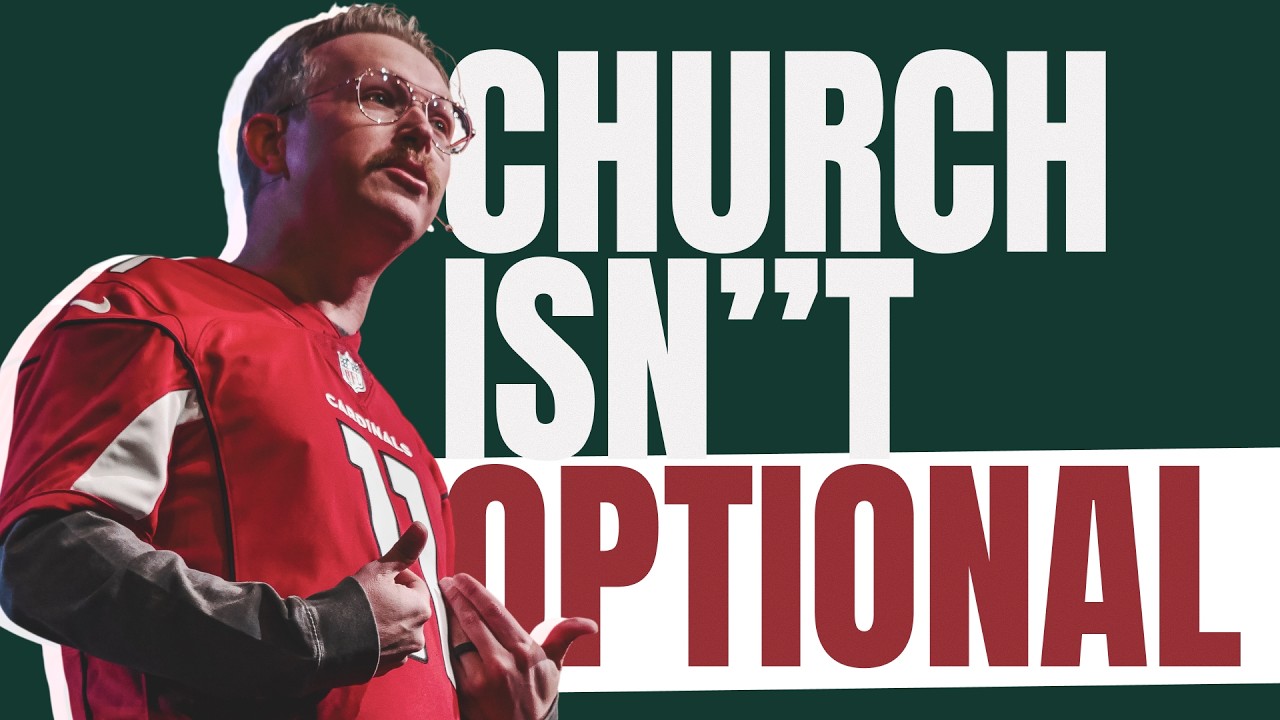
BuildX